

O2 Lift Gallery
$$MultiPurposeText$$
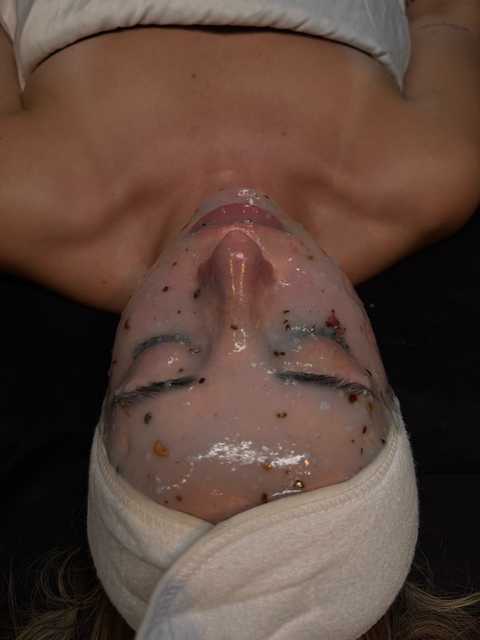
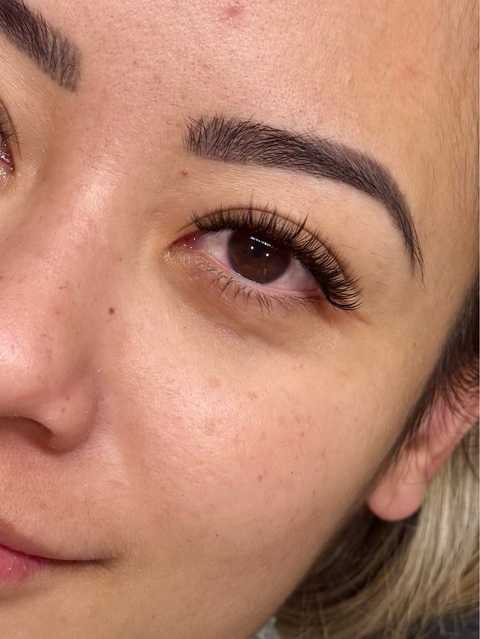
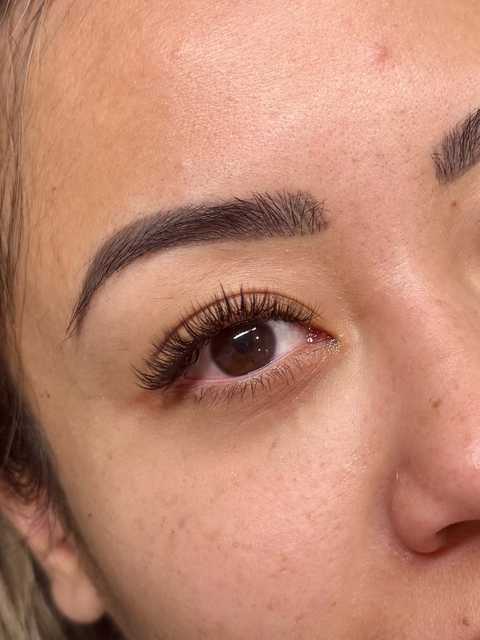
See examples of our O2 Lift work and results.




What Our Clients Say
$$MultiPurposeText$$
Read testimonials from our satisfied customers

I received the most wonderful and relaxing facial from Peyton! She is knowledgable, profes...more

As a crunchy girl with sensitive skin, I will never trust anyone other than Peyton at VS a...more

I had such an amazing experience! Dara is incredibly knowledgeable, professional, and trul...more

I got the best facial from Peyton !

This was my first time getting a facial (ever)! Peyton was so warm and welcoming and made ...more

Peyton gave me an amazing facial in a relaxing atmosphere! Will definitely be coming back ...more

Frequently Asked Questions
Get answers to common questions about O2 Lift.
The O2 Lift begins with cleansing and gentle enzymatic exfoliation, followed by an oxygenating mask and targeted serums. Treatment stimulates circulation and cellular oxygenation for immediate luminosity; sessions typically last about 45-60 minutes.
Most clients notice an immediate glow that can last several days to two weeks; cumulative benefits build with regular monthly treatments. Maintenance frequency depends on skin goals and condition—our specialists will recommend a tailored schedule.
O2 Lift is generally appropriate for sensitive or reactive skin when customized by our estheticians. We perform a consultation and, if needed, a patch test to minimize irritation; avoid treatment if you have open wounds or active dermatitis.
There is minimal downtime for most clients; some experience a slight flush or temporary sensitivity that fades within hours. You can usually wear light makeup immediately, though we recommend avoiding intense sun or exfoliation for a day or two.
Avoid aggressive exfoliation, chemical peels, and retinoids for at least 3-5 days before your appointment. Arrive with clean skin and inform us of medications, recent treatments, or allergies so we can tailor the facial safely.
O2 Lift can complement many facials and non-invasive treatments, but timing matters. We advise spacing injectables and aggressive procedures—typically waiting one to two weeks—so your provider can coordinate a safe, effective treatment plan.